Add Row
Add Element
cropper
update
Delmarva Healthy Home Living
update
Add Element
  • Home
  • Categories
    • Lifestyle
    • Wellness
    • Community
    • Nutrition
    • Home Services
    • Healthy Aging
    • Preventive Care
  • Delmarva Living
June 27.2025
2 Minutes Read

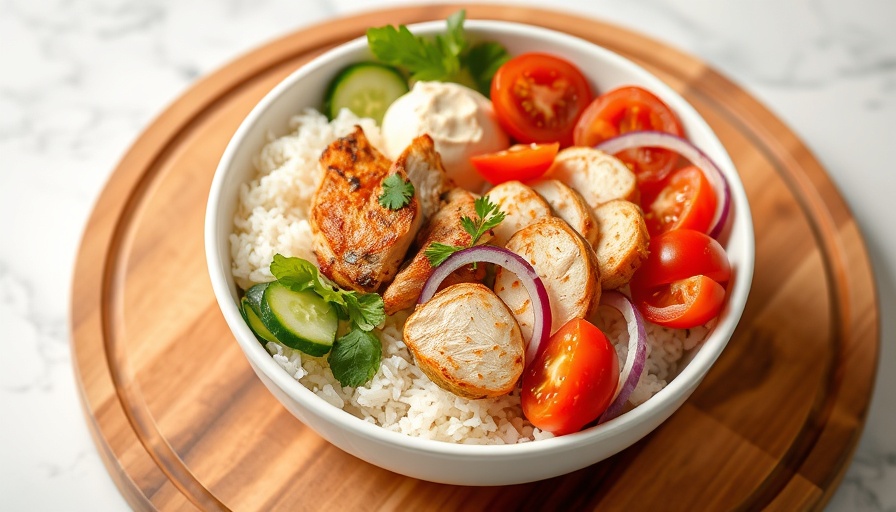
Create Delicious Greek Chicken Rice Bowls That Everyone Loves

Greek Chicken Rice Bowl with fresh ingredients on a wooden board.

Delicious Greek Chicken Rice Bowls: Mediterranean Comfort at Home

Have you ever craved the vibrant flavors of Mediterranean cuisine but found yourself without access to your favorite restaurants? The Greek Chicken Rice Bowls offer a delightful solution that brings restaurant-quality taste right to your kitchen. Highlighting juicy Greek chicken, creamy hummus, crisp cucumbers, juicy tomatoes, and a simple drizzle of zesty Greek dressing all served over warm rice, this recipe checks off all the boxes for a satisfying meal. It’s nourishing, simple, and incredibly customizable!

Why This Recipe is Perfect for Busy Families

As parents or caregivers, finding quick and healthy meal solutions can often feel overwhelming. This Greek Chicken Rice Bowl not only delivers on flavor but also on the practicality required for busy weeknights. With just 5 minutes of prep time and 10 minutes of cooking, you can get this delicious dinner on the table in under 20 minutes — perfect for hungry families after a long day.

Easy Meal Prep Tips for a Stress-Free Week

To further streamline your busy life, consider meal prepping. You can chop your vegetables ahead of time and store them in airtight containers for quick assembly during the week. Alternatively, opt for quick-cooking or frozen rice options for added convenience, allowing you to maintain a focus on healthy eating without sacrificing time.

Customization Is Key: Enhance Your Bowl!

One of the best features of the Greek Chicken Rice Bowls is their versatility. Whether you want to keep it classic or pile on additional toppings, such as olives, pickled red onions, or tzatziki sauce, the choice is yours! This means that everyone in the family can personalize their bowls, catering to different tastes and preferences. By adding more veggies or proteins, you can easily ensure that the meals are both nutritious and enjoyable for everyone.

Make It a Family Tradition

The joy of cooking together can also be enhanced by encouraging kids to help. Have them involved in the assembly process — from mixing the Greek dressing to arranging veggies on top. This not only instills cooking skills but also creates lasting family memories around the dinner table, fostering healthier eating habits.

In conclusion, the Greek Chicken Rice Bowl is not just a meal; it’s an opportunity for connection, creativity, and nourishment. Whether you’re exploring Mediterranean flavors for the first time or are a seasoned enthusiast, this dish is sure to ignite your taste buds and warm your hearts.

Ready to dive into a world of flavors? Gather your family and try out these delightful Greek Chicken Rice Bowls! You’ll be amazed at how quickly this delicious meal can become a household favorite.


Nutrition

Write A Comment

*
*
Related Posts All Posts
10.31.2025

Transform Your Breakfast: Discover 3 Amazing Protein Upgrades for Oatmeal

Update Protein-Packed Mornings: Why Your Oatmeal Needs an Upgrade Are you tired of your morning oatmeal leaving you hungry by mid-morning? A simple adjustment can transform your breakfast from a quick bite into a power-packed meal. By integrating protein-rich ingredients, you can create a filling, satisfying bowl of oats that sustains you longer and combats those pesky snack cravings. Understanding the Power of Protein in Your Breakfast Oats are renowned for their soluble fiber content, particularly beta-glucan, which slows digestion and keeps you feeling fuller. When you add protein, from sources like Greek yogurt, eggs, or cottage cheese, you significantly enhance the meal's satiating abilities. Brookell White, a dietitian, notes that 'morning is a time of day when most of us have full control over what we eat.' This is the perfect opportunity to ensure your first meal is nutrient-dense and sustaining. Three Quick Protein Enhancements for Delicious Oatmeal 1. Greek Yogurt Swirl: Blend Greek yogurt into your oats to double the protein while creating a creamy texture. Simply mix cooked oats with a big spoonful of yogurt, and top with berries or your favorite nuts. This addition doesn't just enhance flavor but also boosts nutritional value. 2. Egg “Proats”: Whisk a beaten egg into your hot oats and return them to the microwave for a custardy finish. This quick upgrade not only elevates the protein content but also adds a unique texture that can be enjoyed sweet or savory, tailored to your morning mood. 3. Whipped Cottage-Cheese Oats: Cottage cheese introduces a delicious creaminess while enhancing protein levels. Blend warm oats with cottage cheese for a smooth, decadent dish that's reminiscent of cheesecake batter. Top with fruit and nuts to make it a complete meal. Why Protein Matters: The Science Behind Satiety Incorporating protein into your oatmeal isn't just about taste; it significantly affects how your body processes breakfast. Protein takes longer to digest than carbohydrates, leading to a slow and steady release of energy. Recent studies suggest that a meal with a balanced fiber-to-protein ratio can mitigate mid-morning cravings, keeping you focused and energized. Make Your Oatmeal Your Own The versatility of oatmeal allows for complete customization. By experimenting with different protein sources, you can discover new flavors and textures every morning. Remember to keep added sweetness to a moderation; fruits and natural sweeteners will enhance your meal without overloading on sugar. Your Next Steps for a Healthier Breakfast With these simple adjustments, you can upgrade your oats into a hearty, protein-rich breakfast that not only fuels your day but also extends the time between meals. Don't let a mediocre breakfast dictate your energy levels—take charge of your morning nourishment!

10.29.2025

Unlock Health Benefits Through Fibermaxxing: A Guide for Families

Update Understanding Fibermaxxing: A Nutritional Trend In recent years, the term fibermaxxing has gained traction on social media, transforming dietary practices across generations. At its core, fibermaxxing is about maximizing fiber intake to reach or exceed the daily recommended amounts — typically between 25 to 38 grams. Recent statistics show that less than 5% of Americans achieve this target, highlighting an essential gap in our diets. Why Fiber is Essential for Your Health Fiber plays a vital role in digestive health. According to dietitian Melissa Jaeger, increasing fiber intake can lead to several benefits, including improved digestion and better management of blood sugar and cholesterol levels. Scientific studies confirm that fiber can slow the absorption of sugar, which is vital for those managing diabetes or pre-diabetes. Additionally, fiber-rich foods such as fruits, vegetables, legumes, and whole grains can aid in weight management by promoting a sense of fullness and reducing overall calorie intake. Getting Started with Fibermaxxing To savor the benefits of fibermaxxing, begin by incorporating high-fiber foods into your daily meals gradually. For instance, adding two tablespoons of chia seeds offers up to 10 grams of fiber—and they can easily be mixed into smoothies or yogurts. However, experts advise increasing your fiber intake slowly to mitigate any digestive discomfort, recommending a daily increase of around 5 grams, complemented by ample water intake. The Best Sources of Fiber Incorporating more fiber into your diet doesn’t have to involve costly supplements. The best sources include: Whole fruits and vegetables, especially when skins are consumed, such as apples, berries, and carrots. Legumes, including lentils and beans, which can contain over 15 grams of fiber per cup. Whole grains like quinoa and brown rice, which provide substantial fiber while also delivering essential nutrients. By making these foods staples in your household, you’ll not only enhance your meal quality but also promote a healthier lifestyle for the whole family. Considerations and Recommendations While fibermaxxing is generally safe for most, individuals with specific gastrointestinal conditions may need guidance. It's wise to consult a healthcare professional before significantly changing your dietary routine. This personalized approach ensures you gain the most from your fiber-maximizing efforts without inadvertently introducing discomfort. Conclusion: Embrace the Fibermaxxing Trend Embracing the fibermaxxing trend can result in significant improvements in your overall health and well-being. Dedicating yourself to increasing fiber in your diet through whole foods is not just about following a trend; it's an important nutritional strategy aimed at bridging the fiber gap experienced by many Americans. So gather your favorite fruits, grains, and legumes, and start reaping the benefits today!

10.25.2025

How to Create Satisfying Low-Calorie Soups For the Family

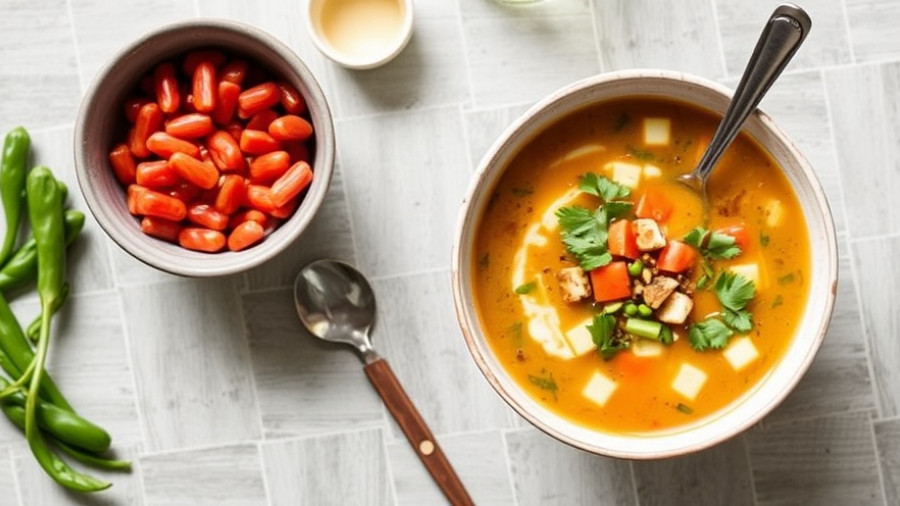
Update Discover the Nourishing Power of Low-Calorie Soups For families aiming to maintain a healthy lifestyle while enjoying hearty meals, low-calorie soups are becoming the go-to solution. These comfort dishes allow parents, homeowners, and seniors to indulge in fulfilling flavors without the worry of an expanding waistline. Incorporating abundant vegetables, lean proteins, and flavorful spices, a bowl of low-calorie soup can serve as an effective centerpiece for weeknight dinners. Why Lower-Calorie Soups Work The secret behind low-calorie soups lies in their high water content and fiber. Foods rich in water—such as broth, leafy greens, and tomatoes—provide fewer calories per bite, enabling larger serving sizes to keep hunger at bay. According to registered dietitian Denise Hernandez, a fibrous base with plenty of vegetables and beans slows digestion and enhances satisfaction, making it easier to adhere to dietary goals. The Essential Soup Recipe Guide Building your own satisfying low-calorie soup is easier than you might think. Follow this practical template for a hearty bowl: Start with a veggie base: Use vibrant aromatics like onions and garlic alongside vegetables such as carrots and celery. Additional quick-cooking options like kale and zucchini add a nutrient-rich punch. Add lean protein: Incorporate shredded chicken, beans, or tofu for an extra boost of satiety. Include a smart carb: Whole grains like brown rice or barley contribute fiber without derailing your calorie count. Flavor it up: Fold in herbs, spices, and a splash of vinegar to enhance the taste without relying on salt. Finish with texture: Consider a drizzle of olive oil or a dollop of yogurt for a creamy texture that remains low-calorie compared to traditional creams. This adaptable soup formula not only accommodates leftovers but encourages creativity and healthful cooking. Each bowl can be a unique experience tailored to what you have on hand. Watch Your Sodium Intake Pay close attention to sodium levels, especially in pre-packaged broths and ingredients. Opt for low-sodium broth and season the soup naturally with herbs or citrus to keep your meals light and nutritious, aligning with dietary guidelines that recommend limiting sodium intake to under 2,300 mg daily. Final Thoughts: Start Cooking Today Embracing low-calorie soups in your weekly meal planning does not just promote health; it fosters family bonding around the dinner table. With just a few ingredients and the flexibility to adapt based on what’s in your pantry, you can create nutritious, flavorful meals that satisfy your family’s hunger without tipping the scale. Ready to whip up delicious low-calorie soups? Try implementing this straightforward guide to explore your creativity while providing hearty, healthy options for those you love.

Terms of Service

Privacy Policy

Core Modal Title

Sorry, no results found

You Might Find These Articles Interesting

T
Please Check Your Email
We Will Be Following Up Shortly
*
*
*