 Add Row
  Add
Add 


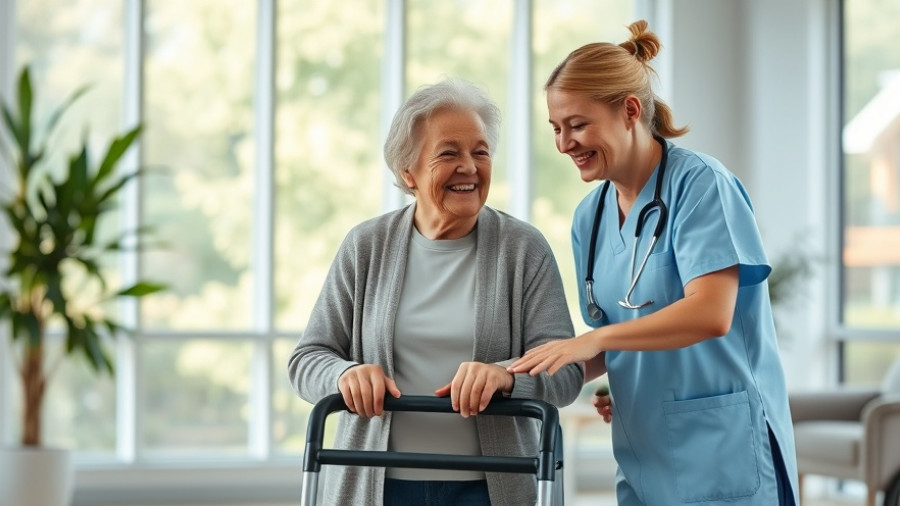
Recognizing the Tipping Point: Understanding Mobility Issues in Older Adults
As individuals age, their mobility often diminishes due to a variety of reasons, including loss of core strength, reduced balance, and compromised coordination. These changes can significantly affect their quality of life, impacting their ability to perform daily tasks and maintain their independence. Recognizing the signs of escalating mobility issues is crucial for proactive management and support.
Signs of Worsening Mobility
Many older adults experience some degree of mobility loss, often progressing unpredictably over time. Key indicators include:
- New or intensifying pain: Unexpected or unusual pain can indicate worsening conditions such as arthritis.
- Changes in gait: Subtle alterations in movement styles may indicate underlying mobility issues.
- Slowed daily tasks: Increasing difficulty in activities like bathing or dressing can signify severe mobility restrictions.
- Emotional responses: Feelings of anxiety, frustration, or shame can arise in response to mobility decline.
Helpful Strategies for Managing Mobility Issues
Interventions can effectively help seniors manage and even regain some mobility. Here are several strategies:
Fall Prevention: A Top Priority
One of the primary concerns for seniors with mobility issues is the risk of falls. They are the leading cause of injury among older adults. To help mitigate this risk:
- Identify and modify risk factors in the home environment, such as clutter and poorly lit areas.
- Encourage the use of mobility aids like walkers and canes, which can provide support and courage for seniors to remain active.
Building Strength and Balance Through Exercise
Regular physical activity can significantly enhance mobility and stability. Customized exercise programs, particularly those focusing on strength and balance, can be highly beneficial. Many organizations offer group classes tailored for seniors, combining physical health and social engagement—a crucial dual benefit.
Creating a Safe Home Environment
The home should be a haven where mobility is encouraged, not hindered:
- Consider home modifications, such as installing grab bars in bathrooms and ensuring clear pathways free from obstacles.
- Consider engaging cleaning services, as seniors may struggle with household tasks that could lead to injuries.
The Role of Technology in Enhancing Mobility
Emerging technologies can greatly improve mobility for seniors. For instance, smart home devices can assist with navigation, while wearable health monitors can provide valuable insights into a senior's physical state, allowing for timely interventions. Additionally, innovations in transportation services can help seniors maintain their independence by enabling greater access to community resources.
Conclusion: Empowering Seniors Through Comprehensive Support
Understanding the multi-faceted nature of mobility challenges among older adults is essential. This involves recognizing the psychological, emotional, and physical dimensions of their experience. Providing a supportive network, integrating relevant technologies, and ensuring a conducive home environment can empower seniors to maintain their independence and restore their confidence in mobility.
The health and quality of life for older adults hinge significantly on their ability to navigate their surroundings. It's vital that families and caregivers take active steps to ensure that seniors receive the assistance and adaptations they need—allowing them to age gracefully and maintain their desired level of independence. If you or a loved one is grappling with mobility challenges, consider reaching out to a healthcare provider or home care service for tailored support and advice.



Write A Comment