 Add Row
  Add
Add 


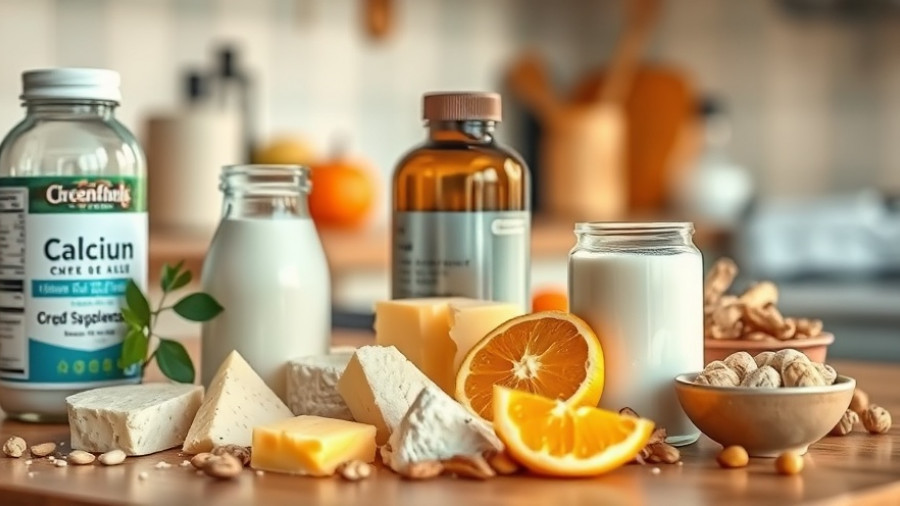
Understanding Osteoporosis and Its Dietary Management
Osteoporosis, characterized by weakened bones, greatly increases the risk of fractures, posing a significant health challenge, especially for older adults. As diet plays a crucial role in managing this condition, understanding how certain foods contribute to bone health is imperative.
Essential Nutrients for Strong Bones
Calcium and Vitamin D stand at the forefront of nutrients vital for bone health. Calcium, a critical building block of bone, should be included daily through foods like dairy products, leafy greens, and fortified juices. Supplementing with calcium might be necessary for those not obtaining enough from their diet.
Vitamin D enhances calcium absorption, and its deficiency is linked with poor bone health. This nutrient can be sourced from sunlight exposure, fatty fish, and fortified foods. Ensuring adequate intake of vitamin D, aiming for about 800 IU daily, is recommended, particularly for those with osteoporosis.
The Role of Protein and Other Nutrients
Besides calcium and vitamin D, protein also plays an essential role in maintaining bone density. Foods rich in protein like lean meats and legumes not only support muscle strength but also contribute to the repair and maintenance of bones. Other minerals like magnesium and potassium are equally important. Whole grains, nuts, and seeds are excellent sources of these nutrients, which further bolster bone integrity.
Smart Choices for a Bone-Healthy Diet
A nutrient-dense diet is crucial in the management of osteoporosis. This involves integrating foods rich in vitamins and minerals while maintaining a balanced caloric intake. Fruits and vegetables, especially dark leafy greens and colorful fruits, provide vitamins like K and C, which are essential in supporting bone structure and aiding repair.
Incorporate whole grains into every meal; items like brown rice and oats offer fiber along with vital minerals that contribute to skeletal health. Additionally, omega-3 rich foods can help to reduce inflammation, enhancing overall bone health.
Foods and Habits to Avoid
To effectively manage osteoporosis, it's advisable to limit certain factors that may hinder bone health. This includes moderating caffeine and alcohol intake, both of which can deplete calcium from bones. Additionally, cutting down on high-sugar and processed foods can prevent unnecessary weight gain and support a healthier dietary pattern.
Practical Strategies for Seniors and Caregivers
For seniors managing osteoporosis, fostering a diet rich in supportive nutrients can be daunting. But making small, consistent changes can create a significant impact. Meal prep can simplify the process—simplifying daily decisions and saving time. Encourage social dining to promote healthy eating habits and ensure ample nutrient intake.
It’s essential to take action—consult with a healthcare provider to personalize dietary needs. Understanding osteoporosis and its dietary implications empowers individuals and caregivers to make informed decisions for health and longevity. Together, integrating these dietary tips and promoting a bone-healthy lifestyle can mitigate risks and enhance quality of life for those impacted by osteoporosis.




Write A Comment