 Add Row
  Add
Add 


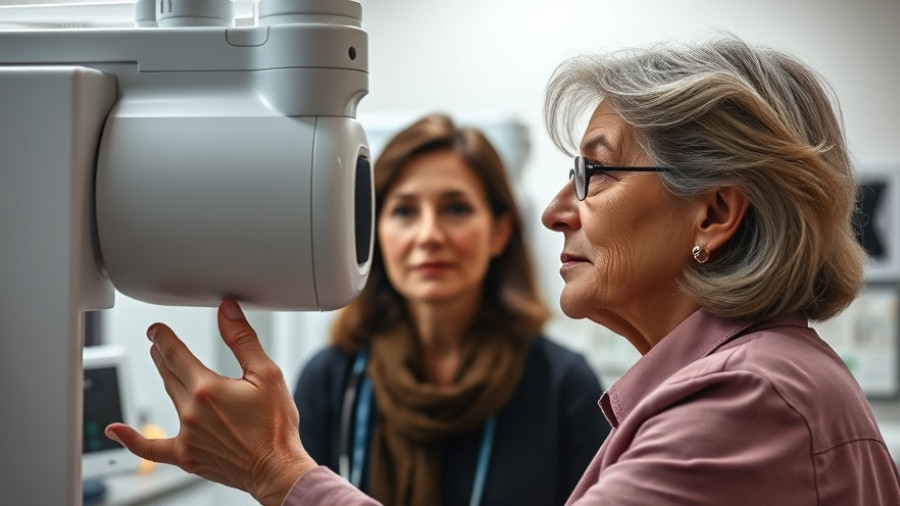
Understanding the Importance of Breast Cancer Awareness
Every October, communities worldwide unite to shine a spotlight on breast cancer awareness. Breast cancer has grown to become the most commonly diagnosed cancer type globally, with millions affected each year, underscoring the critical need for education and support. As part of this month-long initiative, individuals are encouraged to learn about the disease, take preventive steps, and seek early detection to improve outcomes.
Defining Breast Cancer: What You Should Know
At its core, breast cancer arises when cells in the breast tissue begin to grow abnormally. These cells can form a mass or tumor, which might be detected during self-exams or through screenings, such as mammograms. While breast cancer is predominantly a concern for women, men can also be diagnosed, albeit less frequently. The disease manifests in various forms, necessitating tailored approaches to treatment and management depending on the type and stage.
The Vital Role of Early Detection and Regular Screenings
The key to combating breast cancer is early detection. Studies have shown that regular screenings significantly increase the survival rates of individuals diagnosed at an earlier stage. It’s critical to schedule routine mammograms as recommended by healthcare professionals and conduct self-exams monthly, being alert for any unusual changes in breast tissue.
Key Risk Factors to Monitor
Awareness of risk factors plays a vital role in prevention. Age, family history, and lifestyle choices form the trifecta of risk considerations. Genetics, particularly mutations such as BRCA1 and BRCA2, elevate the likelihood of developing breast cancer. Moreover, as women age, the risk increases, making regular screenings even more important. Lifestyle factors such as diet, exercise, and overall health will also impact one’s risk level.
Supporting Each Other and Raising Awareness
Support networks and healthcare initiatives are crucial in this fight against breast cancer. Patients benefit greatly from connecting with support groups that offer understanding and shared experiences. Community involvement, such as participating in fundraising efforts and awareness campaigns, also plays a pivotal role in advancing research and accessibility to effective treatments.
In Conclusion: Your Role in Breast Cancer Awareness
The importance of breast cancer awareness cannot be overstated. By arming ourselves with knowledge regarding the disease, risk factors, and early detection strategies, we can collectively improve health outcomes and offer support to those affected. Stay proactive by educating yourself, encouraging regular check-ups, and participating in awareness events each October and beyond.




Write A Comment