Add Row
Add Element
cropper
update
Delmarva Healthy Home Living
update
Add Element
  • Home
  • Categories
    • Lifestyle
    • Wellness
    • Community
    • Nutrition
    • Home Services
    • Healthy Aging
    • Preventive Care
  • Delmarva Living
June 27.2025
2 Minutes Read

Unlocking the Advantages of At-Home Kidney Dialysis for Better Health

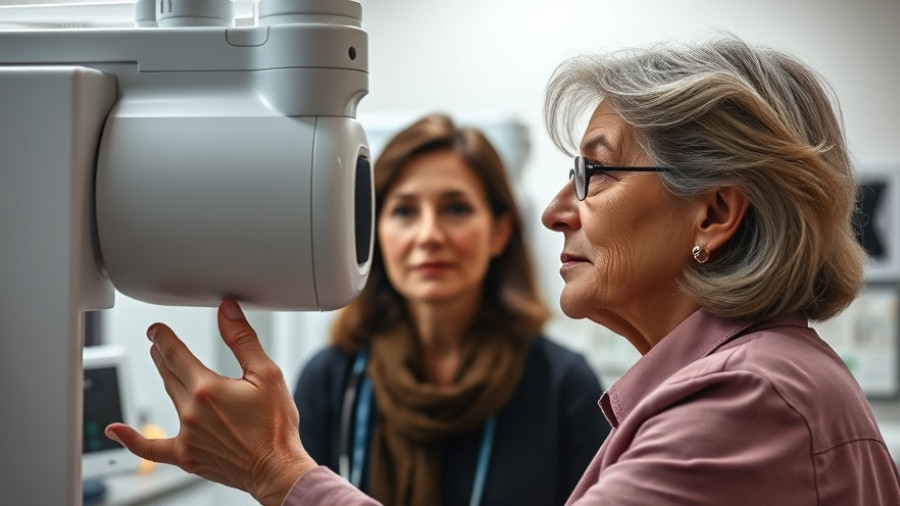
Medical professional demonstrating kidney anatomy benefits of at home kidney dialysis.

Discovering the Benefits of At-Home Kidney Dialysis

As the healthcare landscape evolves, at-home kidney dialysis emerges as a transformative solution for many individuals grappling with chronic kidney disease. This advanced care model not only enhances patient autonomy but also promises a multitude of benefits that can significantly improve quality of life.

Greater Flexibility for Patients

One major advantage of at-home dialysis is the degree of flexibility it provides. Unlike traditional in-center dialysis requiring frequent clinical visits, patients can tailor their treatment schedules to fit their lifestyle. This freedom reduces travel time and associated stresses while allowing patients to engage more fully in daily activities. Increased control over one’s treatment schedule can ultimately lead to a more balanced and fulfilling life.

Improved Health Outcomes

At-home dialysis has been linked to enhanced health outcomes compared to conventional treatment methods. Research indicates that home hemodialysis (HHD) and peritoneal dialysis (PD) can facilitate more frequent treatments, which may result in more effective toxin removal from the bloodstream and better blood pressure management. Such results underscore the importance of individualized, patient-centered care that adapts to personal needs.

Empowerment and Independence

One of the most profound aspects of at-home dialysis is its ability to empower patients. With adequate training and resources, individuals can take charge of their treatment, fostering a sense of independence that extends beyond healthcare. This autonomy not only boosts confidence but also contributes positively to their emotional well-being. Family members can also play a supportive role, enhancing the overall experience.

Cost-Effectiveness

Financial considerations are critical for many patients managing kidney disease. At-home dialysis can lead to noteworthy cost savings over time, minimizing expenses related to travel and frequent clinical visits. Furthermore, with various insurance plans covering home dialysis, this treatment option becomes increasingly viable, making healthcare more accessible.

Reducing Infection Risks

A significant concern for dialysis patients is the risk of infections, which can be higher in clinical settings. By opting for at-home treatments, patients mitigate exposure to pathogens common in busy healthcare environments. This reduction in risk is especially crucial for individuals concerned about complications, making home health a safe and appealing option.

The Path to Better Care

As the healthcare system continues to shift toward patient-centric approaches, at-home kidney dialysis stands out as a beacon of hope for individuals seeking better health outcomes. With robust support from service providers like Freedom Home Care, patients can embark on this journey with confidence. If you or someone you know is contemplating home dialysis, exploring options with a supportive team can pave the way for a more empowered health management experience.

Home Services

Write A Comment

*
*
Related Posts All Posts
10.30.2025

Why Understanding Breast Cancer Awareness Is Crucial for Everyone

Update Understanding the Importance of Breast Cancer Awareness Every October, communities worldwide unite to shine a spotlight on breast cancer awareness. Breast cancer has grown to become the most commonly diagnosed cancer type globally, with millions affected each year, underscoring the critical need for education and support. As part of this month-long initiative, individuals are encouraged to learn about the disease, take preventive steps, and seek early detection to improve outcomes. Defining Breast Cancer: What You Should Know At its core, breast cancer arises when cells in the breast tissue begin to grow abnormally. These cells can form a mass or tumor, which might be detected during self-exams or through screenings, such as mammograms. While breast cancer is predominantly a concern for women, men can also be diagnosed, albeit less frequently. The disease manifests in various forms, necessitating tailored approaches to treatment and management depending on the type and stage. The Vital Role of Early Detection and Regular Screenings The key to combating breast cancer is early detection. Studies have shown that regular screenings significantly increase the survival rates of individuals diagnosed at an earlier stage. It’s critical to schedule routine mammograms as recommended by healthcare professionals and conduct self-exams monthly, being alert for any unusual changes in breast tissue. Key Risk Factors to Monitor Awareness of risk factors plays a vital role in prevention. Age, family history, and lifestyle choices form the trifecta of risk considerations. Genetics, particularly mutations such as BRCA1 and BRCA2, elevate the likelihood of developing breast cancer. Moreover, as women age, the risk increases, making regular screenings even more important. Lifestyle factors such as diet, exercise, and overall health will also impact one’s risk level. Supporting Each Other and Raising Awareness Support networks and healthcare initiatives are crucial in this fight against breast cancer. Patients benefit greatly from connecting with support groups that offer understanding and shared experiences. Community involvement, such as participating in fundraising efforts and awareness campaigns, also plays a pivotal role in advancing research and accessibility to effective treatments. In Conclusion: Your Role in Breast Cancer Awareness The importance of breast cancer awareness cannot be overstated. By arming ourselves with knowledge regarding the disease, risk factors, and early detection strategies, we can collectively improve health outcomes and offer support to those affected. Stay proactive by educating yourself, encouraging regular check-ups, and participating in awareness events each October and beyond.

10.29.2025

Effective Strategies to Address Mobility Issues in Older Adults

Update Recognizing the Tipping Point: Understanding Mobility Issues in Older Adults As individuals age, their mobility often diminishes due to a variety of reasons, including loss of core strength, reduced balance, and compromised coordination. These changes can significantly affect their quality of life, impacting their ability to perform daily tasks and maintain their independence. Recognizing the signs of escalating mobility issues is crucial for proactive management and support. Signs of Worsening Mobility Many older adults experience some degree of mobility loss, often progressing unpredictably over time. Key indicators include: New or intensifying pain: Unexpected or unusual pain can indicate worsening conditions such as arthritis. Changes in gait: Subtle alterations in movement styles may indicate underlying mobility issues. Slowed daily tasks: Increasing difficulty in activities like bathing or dressing can signify severe mobility restrictions. Emotional responses: Feelings of anxiety, frustration, or shame can arise in response to mobility decline. Helpful Strategies for Managing Mobility Issues Interventions can effectively help seniors manage and even regain some mobility. Here are several strategies: Fall Prevention: A Top Priority One of the primary concerns for seniors with mobility issues is the risk of falls. They are the leading cause of injury among older adults. To help mitigate this risk: Identify and modify risk factors in the home environment, such as clutter and poorly lit areas. Encourage the use of mobility aids like walkers and canes, which can provide support and courage for seniors to remain active. Building Strength and Balance Through Exercise Regular physical activity can significantly enhance mobility and stability. Customized exercise programs, particularly those focusing on strength and balance, can be highly beneficial. Many organizations offer group classes tailored for seniors, combining physical health and social engagement—a crucial dual benefit. Creating a Safe Home Environment The home should be a haven where mobility is encouraged, not hindered: Consider home modifications, such as installing grab bars in bathrooms and ensuring clear pathways free from obstacles. Consider engaging cleaning services, as seniors may struggle with household tasks that could lead to injuries. The Role of Technology in Enhancing Mobility Emerging technologies can greatly improve mobility for seniors. For instance, smart home devices can assist with navigation, while wearable health monitors can provide valuable insights into a senior's physical state, allowing for timely interventions. Additionally, innovations in transportation services can help seniors maintain their independence by enabling greater access to community resources. Conclusion: Empowering Seniors Through Comprehensive Support Understanding the multi-faceted nature of mobility challenges among older adults is essential. This involves recognizing the psychological, emotional, and physical dimensions of their experience. Providing a supportive network, integrating relevant technologies, and ensuring a conducive home environment can empower seniors to maintain their independence and restore their confidence in mobility. The health and quality of life for older adults hinge significantly on their ability to navigate their surroundings. It's vital that families and caregivers take active steps to ensure that seniors receive the assistance and adaptations they need—allowing them to age gracefully and maintain their desired level of independence. If you or a loved one is grappling with mobility challenges, consider reaching out to a healthcare provider or home care service for tailored support and advice.

10.25.2025

Top Dietary Tips for Effectively Managing Osteoporosis and Boosting Bone Health

Update Understanding Osteoporosis and Its Dietary Management Osteoporosis, characterized by weakened bones, greatly increases the risk of fractures, posing a significant health challenge, especially for older adults. As diet plays a crucial role in managing this condition, understanding how certain foods contribute to bone health is imperative. Essential Nutrients for Strong Bones Calcium and Vitamin D stand at the forefront of nutrients vital for bone health. Calcium, a critical building block of bone, should be included daily through foods like dairy products, leafy greens, and fortified juices. Supplementing with calcium might be necessary for those not obtaining enough from their diet. Vitamin D enhances calcium absorption, and its deficiency is linked with poor bone health. This nutrient can be sourced from sunlight exposure, fatty fish, and fortified foods. Ensuring adequate intake of vitamin D, aiming for about 800 IU daily, is recommended, particularly for those with osteoporosis. The Role of Protein and Other Nutrients Besides calcium and vitamin D, protein also plays an essential role in maintaining bone density. Foods rich in protein like lean meats and legumes not only support muscle strength but also contribute to the repair and maintenance of bones. Other minerals like magnesium and potassium are equally important. Whole grains, nuts, and seeds are excellent sources of these nutrients, which further bolster bone integrity. Smart Choices for a Bone-Healthy Diet A nutrient-dense diet is crucial in the management of osteoporosis. This involves integrating foods rich in vitamins and minerals while maintaining a balanced caloric intake. Fruits and vegetables, especially dark leafy greens and colorful fruits, provide vitamins like K and C, which are essential in supporting bone structure and aiding repair. Incorporate whole grains into every meal; items like brown rice and oats offer fiber along with vital minerals that contribute to skeletal health. Additionally, omega-3 rich foods can help to reduce inflammation, enhancing overall bone health. Foods and Habits to Avoid To effectively manage osteoporosis, it's advisable to limit certain factors that may hinder bone health. This includes moderating caffeine and alcohol intake, both of which can deplete calcium from bones. Additionally, cutting down on high-sugar and processed foods can prevent unnecessary weight gain and support a healthier dietary pattern. Practical Strategies for Seniors and Caregivers For seniors managing osteoporosis, fostering a diet rich in supportive nutrients can be daunting. But making small, consistent changes can create a significant impact. Meal prep can simplify the process—simplifying daily decisions and saving time. Encourage social dining to promote healthy eating habits and ensure ample nutrient intake. It’s essential to take action—consult with a healthcare provider to personalize dietary needs. Understanding osteoporosis and its dietary implications empowers individuals and caregivers to make informed decisions for health and longevity. Together, integrating these dietary tips and promoting a bone-healthy lifestyle can mitigate risks and enhance quality of life for those impacted by osteoporosis.

Terms of Service

Privacy Policy

Core Modal Title

Sorry, no results found

You Might Find These Articles Interesting

T
Please Check Your Email
We Will Be Following Up Shortly
*
*
*